Real estate markets move in predictable cycles, oscillating between periods of expansion and contraction. Understanding these cycles—their phases, duration, and characteristics enables investors to make informed decisions about when to buy, hold, or sell properties. For those looking to buy property Koh Samui, recognizing these market patterns is especially valuable when evaluating long-term investment opportunities. Working with Horizon Homes helps buyers navigate the local market with greater confidence, ensuring smarter decisions in Koh Samui’s evolving real estate landscape. This comprehensive guide explores the four phases of real estate market cycles and provides actionable strategies for each stage.
The Four Phases of Real Estate Market Cycles
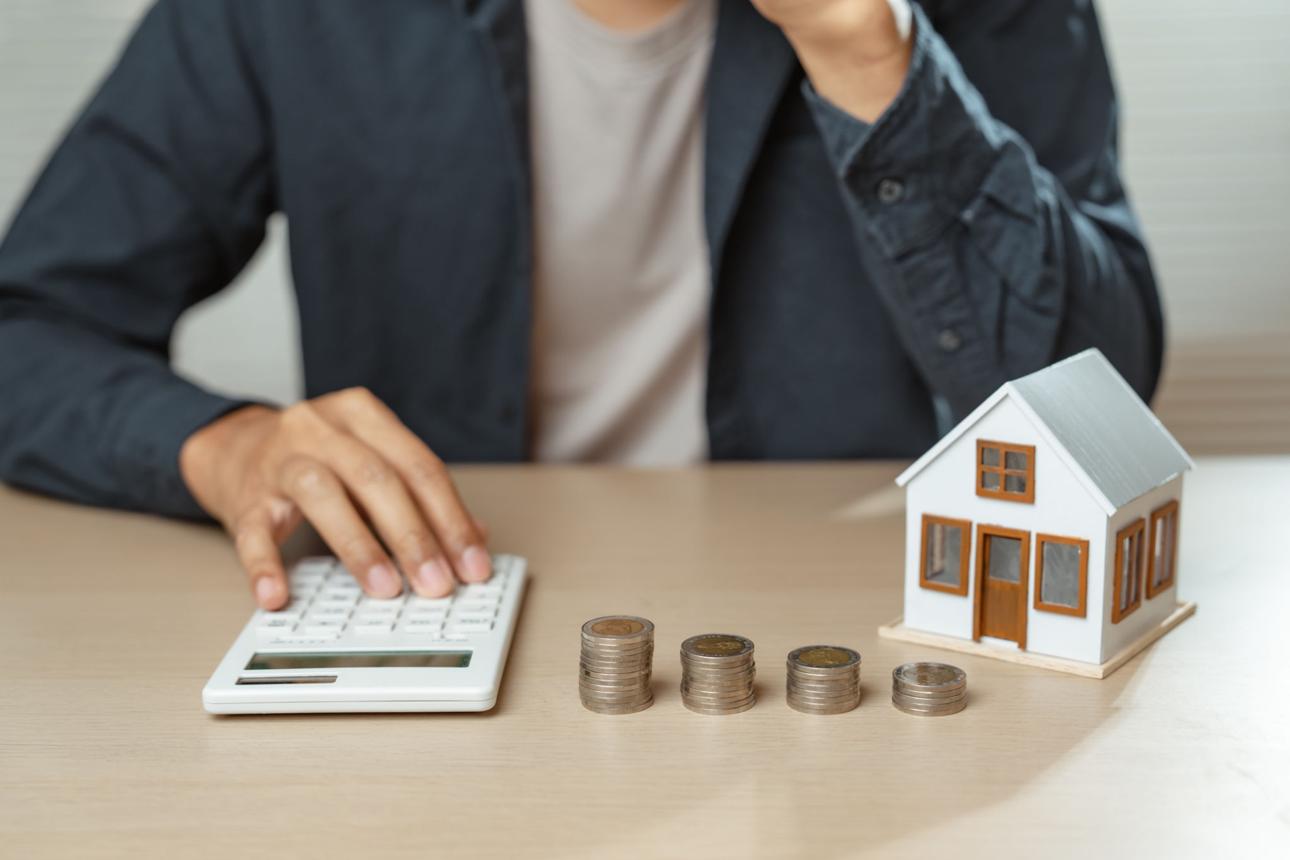
Real estate markets traditionally follow a four-phase pattern: Recovery, Expansion, Hypersupply, and Recession. These phases form a continuous wave, with the end of one cycle connecting seamlessly to the beginning of the next. While the sequence remains consistent, the duration of each phase varies significantly based on economic conditions, government policies, and market-specific factors.
Phase One: Recovery
The recovery phase represents the bottom of the market trough, following the completion of a recessionary period. During this phase, excess construction from the previous cycle has stopped, and the market begins absorbing vacant inventory. Identifying the true beginning of recovery can be challenging because conditions initially feel similar to recession—occupancy rates remain low, leasing activity is minimal, and rent growth is flat or negative.
Key Characteristics:
- Occupancy rates at or near cyclical lows
- Minimal new construction activity
- Rent growth flat or below inflation
- High vacancy rates gradually improving
- Distressed properties available at discounted prices
- Consumer and investor confidence slowly returning
Investment Strategies for Recovery:
Recovery phases present exceptional opportunities for investors willing to accept higher risk for potentially outsized returns. Opportunistic investors can acquire distressed assets from financial institutions, special servicers, or motivated sellers at significant discounts. These properties often require repositioning or capital improvements but offer substantial upside as markets improve.
Value-add strategies also perform well during recovery, though patience is required. While attractive pricing exists early in recovery, lease-up momentum typically doesn’t materialize until the expansion phase. Business plans should include contingencies for extended holding periods and phased capital deployment.
Core asset acquisition during recovery can be particularly profitable. Properties in prime locations with significant lease rollover in the next two to four years allow investors to capture strong rent growth through renewals. By the expansion phase, these properties may be positioned for refinancing or sale at appreciated values.
Phase Two: Expansion
During expansion, the market enters an upswing characterized by improving demand, rising prices, and declining vacancy rates. GDP returns to normal levels, job growth strengthens, and unemployment rates decline. Supply and demand reach equilibrium, and in tight markets, rents may climb rapidly.
Key Characteristics:
- Strong demand growth across property types
- Rising occupancy rates
- Positive rent growth accelerating
- New construction activity resuming
- Property values appreciating
- Increased transaction volume
- Optimistic market sentiment
Investment Strategies for Expansion:
Expansion phases favor development and redevelopment projects. Strong demand and leasing momentum help new properties stabilize quickly, often at market-high rents. Construction projects initiated during expansion typically deliver into favorable market conditions, supporting projected returns.
Core-plus investments thrive during expansion as stable properties with upside potential benefit from market tailwinds. Investors can acquire well-performing assets with value-add components, capturing both current income and appreciation potential. Refinancing opportunities also emerge as property values increase and lending conditions improve.
For existing property owners, expansion phases represent ideal times to execute capital improvement programs. Rising rents support higher renovation budgets, and improved market conditions facilitate lease-up of upgraded units. Strategic capital deployment during expansion maximizes property value for eventual disposition.
Phase Three: Hypersupply
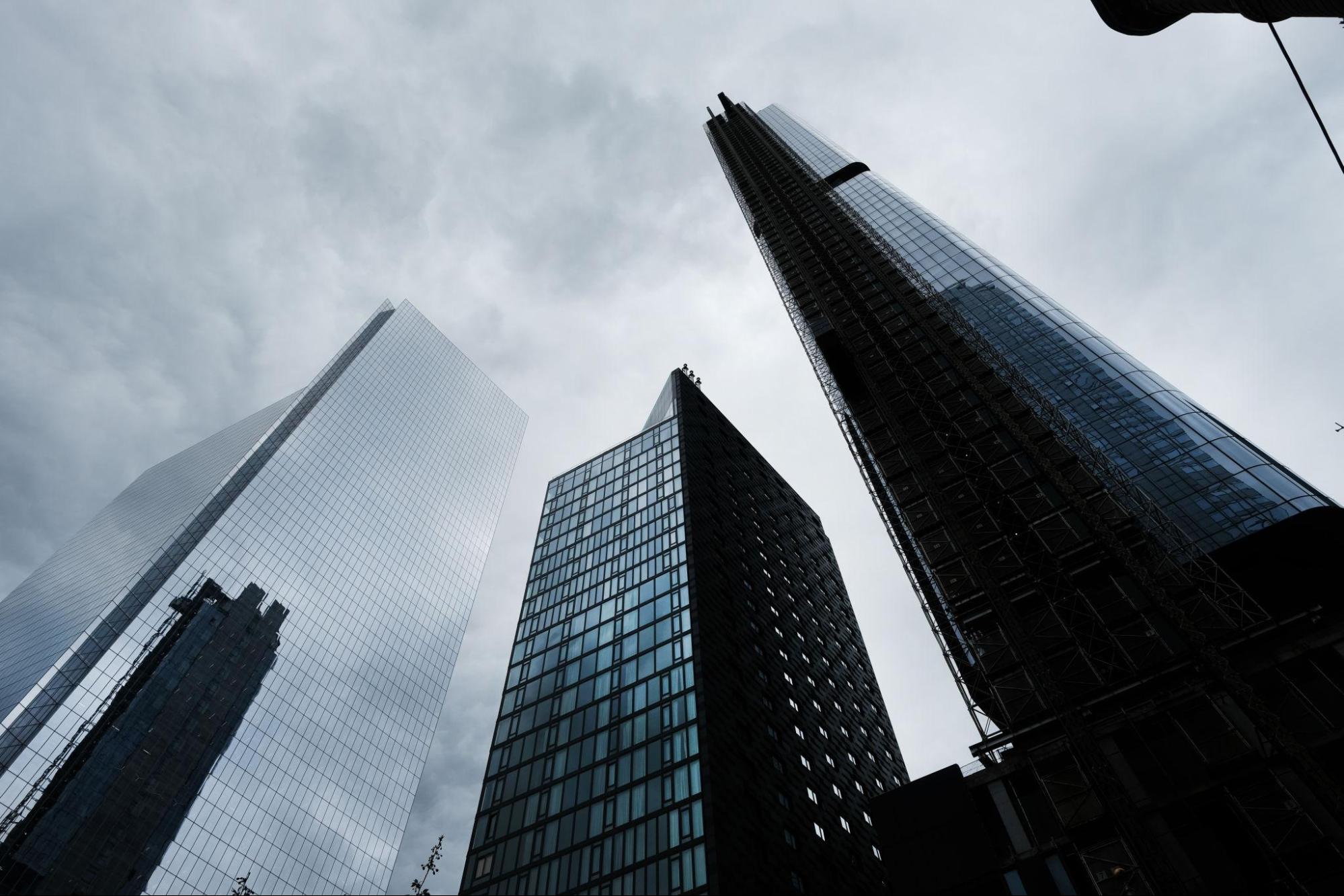
Hypersupply occurs when overbuilding or reduced demand creates an oversupply of properties. This disruption in supply-demand equilibrium often follows prolonged expansion periods when developers respond to strong market conditions with excessive new construction. Economic shifts—such as GDP declines or employment losses—can also trigger hypersupply by reducing demand while supply remains constant.
Key Characteristics:
- New construction completions peak
- Vacancy rates beginning to rise
- Rent growth positive but decelerating
- Concessions and incentives increasing
- Property appreciation slowing or reversing
- Transaction volume declining
- Market sentiment becoming cautious
Investment Strategies for Hypersupply:
Hypersupply phases require defensive positioning. Investors may consider selling assets ahead of perceived market declines, particularly properties with significant lease expirations or capital needs. Increased inventory typically drives up cap rates, lowers expected returns, and decreases property values.
Property owners should focus on tenant retention through competitive pricing and enhanced services. Offering favorable lease terms to existing tenants often proves more economical than facing vacancy and re-leasing costs in competitive markets. Operational efficiency improvements help maintain cash flow despite market headwinds.
Selective acquisition opportunities may emerge for contrarian investors with long-term horizons. Distressed sellers facing refinancing challenges or partnership disputes may offer attractive pricing. However, timing the bottom of hypersupply phases requires careful analysis and risk tolerance.
Phase Four: Recession

Recession represents the final phase of the cycle, where supply significantly exceeds demand, economic conditions soften, and property markets contract. Vacancy rates reach cyclical highs, rent growth turns negative or falls below inflation, and property values decline. While challenging, recessionary phases create opportunities for well-capitalized investors.
Key Characteristics:
- High vacancy rates
- Negative rent growth
- Declining property values
- Limited transaction activity
- Distressed sales increasing
- Construction activity halted
- Pessimistic market sentiment
Investment Strategies for Recession:
Recessionary phases offer ideal conditions for acquiring distressed assets. Financial institutions and special servicers often sell properties at steep discounts to resolve troubled loans. Investors with available capital can build positions in high-quality assets at prices below replacement cost.
Value-add strategies excel during recessions as acquisition costs decline while renovation costs may also decrease due to contractor availability. Properties purchased during recession can be positioned for significant appreciation as markets recover. Patient capital deployment during this phase often generates the highest returns of the entire cycle.
Existing property owners should focus on cash flow preservation and tenant retention. Offering rent concessions to maintain occupancy typically proves preferable to facing vacancy in declining markets. Operational cost reductions and deferred capital expenditures help preserve liquidity during challenging periods.
Historical Context and Cycle Duration
The 18-Year Real Estate Cycle Theory
Some analysts observe an approximate 18-year cycle in real estate markets, though this pattern shows significant variation. The theory suggests that real estate cycles last longer than general business cycles due to the time required for development, construction, and market absorption. Historical data supports this general timeframe, with major real estate peaks occurring roughly every 15 to 20 years.
However, cycle duration varies considerably based on:
- Regional economic conditions
- Government policy interventions
- Interest rate environments
- Construction cost trends
- Demographic shifts
- Technological disruptions
Recent Cycle Analysis (2022-2026)
Real estate values peaked in 2022 following a prolonged expansion fueled by low interest rates and strong demand. Over the subsequent two years, values declined approximately 22%, weighed down by rising interest rates and persistent challenges in the office sector. By early 2024, stabilization signs emerged, and markets entered the recovery phase.
Current conditions in 2026 suggest we are in the early-to-mid recovery phase. Property values remain approximately 7% above their trough levels, while equities and fixed income hover near peak levels. This relative valuation creates what many analysts consider an attractive entry point for disciplined real estate investors.
Macroeconomic Factors Influencing Cycle Timing
Interest Rate Environment
Interest rates profoundly impact real estate cycles by affecting borrowing costs, investment yields, and property valuations. Rising rates typically trigger cycle peaks by reducing affordability and compressing cap rates. Conversely, declining rates support recovery phases by improving financing economics and stimulating demand.
The 2022-2024 cycle demonstrated this relationship clearly. Rapid interest rate increases triggered value declines across property sectors. Current rate stabilization and gradual declines support the ongoing recovery, with debt capital costs having declined approximately 40% from 2023 peaks.
Construction Cost Dynamics
Construction costs significantly influence cycle dynamics by affecting development economics and replacement values. When construction costs rise rapidly, new supply becomes uneconomical, supporting existing property values. Conversely, declining construction costs can trigger overbuilding by making development projects more feasible.
Current construction costs have increased approximately 50% over the past five years due to higher input and financing costs. This dramatic increase constrains new supply, benefiting existing property owners. Tariffs and immigration policies may further increase build costs, potentially extending the supply-constrained environment.
Employment and Demographic Trends
Employment growth and demographic shifts drive fundamental demand for real estate. Job creation supports household formation and housing demand, while population growth creates ongoing need for new development. Markets with strong employment and demographic trends often experience extended expansion phases.
Remote work trends have fundamentally altered office demand patterns, potentially extending the recessionary phase for that sector. Conversely, e-commerce growth and supply chain restructuring have supported industrial property expansion. Understanding these structural shifts is essential for cycle analysis.
Regional and Sector Variations
Geographic Cycle Differences
Real estate cycles vary significantly by geography. Markets with diverse economies and strong population growth—such as Austin, Nashville, and Phoenix—often experience extended expansion phases and milder contractions. Single-industry markets show greater volatility, with cycles closely tied to their dominant sectors.
International markets exhibit different cycle timing based on local economic conditions, regulatory environments, and capital flow patterns. Global investors can potentially exploit these variations through geographic diversification, accessing different cycle phases simultaneously.
Property Type Cycle Variations
Different property types experience cycles with varying timing and intensity. Residential markets typically lead commercial sectors, with housing recoveries preceding office and retail improvements. Industrial properties have shown reduced cyclicality due to e-commerce growth, while hospitality remains highly cyclical.
Office markets currently face structural challenges from remote work adoption, potentially extending their recessionary phase beyond other sectors. Multifamily housing demonstrates relatively stable cyclical patterns due to consistent housing demand. Understanding these sector-specific dynamics enables more precise cycle positioning.
Practical Applications for Investors
Identifying Current Cycle Position
Determining the current cycle phase requires analyzing multiple indicators:
- Occupancy rates and trends
- Rent growth rates
- Construction activity levels
- Transaction volume
- Cap rate movements
- Employment growth
- Consumer confidence
No single indicator definitively identifies cycle position. Rather, investors should synthesize multiple data points to form a market assessment. Leading indicators—such as building permits and consumer confidence—signal future direction, while lagging indicators confirm trends already in progress.
Strategy Adjustments by Phase
Successful real estate investing requires strategy adjustments as cycles evolve:
Recovery Phase:
- Focus on opportunistic and value-add strategies
- Acquire distressed assets at discounted prices
- Accept higher risk for potential outsized returns
- Build positions for expansion phase appreciation
Expansion Phase:
- Execute development and redevelopment projects
- Acquire core-plus assets with upside potential
- Implement capital improvement programs
- Consider selective dispositions of mature assets
Hypersupply Phase:
- Adopt defensive positioning
- Prioritize tenant retention
- Reduce leverage and preserve liquidity
- Consider selective dispositions
Recession Phase:
- Deploy capital opportunistically
- Acquire distressed high-quality assets
- Focus on cash flow preservation
- Position for recovery phase appreciation
FAQ: Real Estate Market Cycles

Q1: How long do real estate market cycles typically last?
Real estate cycles typically last 7 to 18 years, with significant variation based on economic conditions and market factors. The 18-year cycle theory suggests longer durations than general business cycles due to development timelines. Recent cycles have shown compression due to faster information flow and policy interventions.
Q2: Can you predict when a cycle phase will end?
Precise cycle timing predictions are impossible, but leading indicators provide signals about phase transitions. Building permit trends, employment growth rates, and consumer confidence changes often precede cycle shifts. Investors should monitor multiple indicators rather than relying on single signals.
Q3: Which property types are most cyclical?
Hospitality and office properties show the highest cyclicality, with demand fluctuating significantly with economic conditions. Industrial properties have become less cyclical due to e-commerce growth. Multifamily housing and essential retail demonstrate the greatest resilience across cycle phases.
Q4: How do interest rates affect cycle phases?
Rising interest rates typically trigger transitions from expansion to hypersupply by reducing affordability and investment returns. Declining rates support recovery phases by improving financing economics. Rate changes affect cycle timing and intensity but don’t eliminate cyclical patterns.
Q5: Should investors try to time market cycles?
Market timing carries significant risks, even for experienced investors. Dollar-cost averaging and long-term holding strategies often outperform attempts at precise timing. However, understanding cycle phases helps investors adjust risk profiles and strategy emphasis appropriately.
Q6: What is the 3-3-3 rule in real estate?
The 3-3-3 rule suggests maintaining three months of living expenses, three months of mortgage payments in reserve, and comparing at least three properties before purchasing. This framework promotes financial stability across all cycle phases rather than attempting specific timing.
Q7: How do construction costs influence cycles?
Rising construction costs constrain new supply, supporting existing property values and potentially extending expansion phases. Declining costs can trigger overbuilding by improving development economics. Current high construction costs have significantly reduced new supply across markets.
Q8: Can different markets be in different cycle phases simultaneously?
Yes, geographic markets often experience different cycle phases based on local economic conditions, supply dynamics, and regulatory environments. This variation creates diversification opportunities and allows investors to access preferred cycle phases through geographic selection.
Q9: What role do government policies play in cycles?
Government policies significantly influence cycle timing through interest rate policy, tax treatment, zoning regulations, and housing subsidies. Policy interventions can extend or compress cycle phases, though they rarely eliminate cyclical patterns entirely.
Q10: How has remote work affected office market cycles?
Remote work adoption has structurally reduced office demand, potentially extending the current recessionary phase for that sector. Markets with high-quality, well-located office properties may recover faster than those with older, less desirable inventory. Long-term demand remains uncertain.
Q11: What indicators suggest a market is entering recovery?
Recovery indicators include stabilizing vacancy rates, slowing rent declines, increasing transaction volume, and improving consumer confidence. Leading indicators such as building permit increases and employment growth typically precede visible market improvements.
Q12: How should financing strategies change across cycle phases?
Recovery phases favor floating-rate financing to benefit from declining rates. Expansion phases suit fixed-rate financing to lock in favorable terms. Hypersupply and recession phases require conservative leverage and maximum flexibility to navigate uncertainty.
Q13: What is the relationship between GDP and real estate cycles?
Real estate cycles generally correlate with broader economic cycles, though with timing variations. Real estate typically lags GDP changes by 6 to 18 months. Property markets often continue declining after GDP bottoms and continue rising after GDP peaks.
Q14: How do demographic trends affect cycle timing?
Demographic shifts create structural demand changes that influence cycle characteristics. Millennial household formation supported the 2012-2022 expansion. Aging populations may reduce housing demand growth in some markets while increasing healthcare real estate needs.
Q15: What mistakes do investors make during different cycle phases?
Common mistakes include overpaying during late expansion, panic selling during recession, failing to deploy capital during recovery, and maintaining excessive leverage through hypersupply. Disciplined strategy adherence helps avoid these emotionally driven errors.