Emergency preparedness is one of the most overlooked responsibilities in rental property management, yet it is one of the most consequential. Koh Samui comes with the same real, recurring risks that come with tropical settings — monsoon flooding, tropical storms, power outages, and water supply disruptions can all affect rental properties on the island from time to time. For property managers, being prepared is not just about protecting a building; it is about protecting tenants, minimizing financial loss, and maintaining trust with property owners.
This guide covers the practical steps property managers should take to prepare rental properties, tenants, and staff for the emergencies most likely to occur on Koh Samui.
Key Takeaways
- Koh Samui’s main property risks are monsoon flooding, tropical storms, power outages, and water supply interruptions.
- A written emergency plan should cover risk assessment, contact lists, tenant communication, and property-specific safety measures.
- Tenants should be briefed on emergency procedures at move-in, not only when an emergency is already underway.
- Insurance documentation and photographic records should be kept up to date before, not after, an incident occurs.
Why Emergency Preparedness Matters for Property Managers
Rental property managers carry a level of responsibility that individual homeowners do not. Tenants often have limited local knowledge — they may not know which roads flood first, where the nearest hospital is, or how the property’s backup water system works. A property manager who has already answered these questions, before an emergency happens, can prevent a stressful situation from becoming a dangerous one.
There is also a practical business case. Properties with a documented emergency plan tend to recover faster after a disruption, experience fewer disputes with tenants over damage or lost belongings, and are easier to insure on favorable terms.
Common Emergencies Rental Property Managers Should Plan For
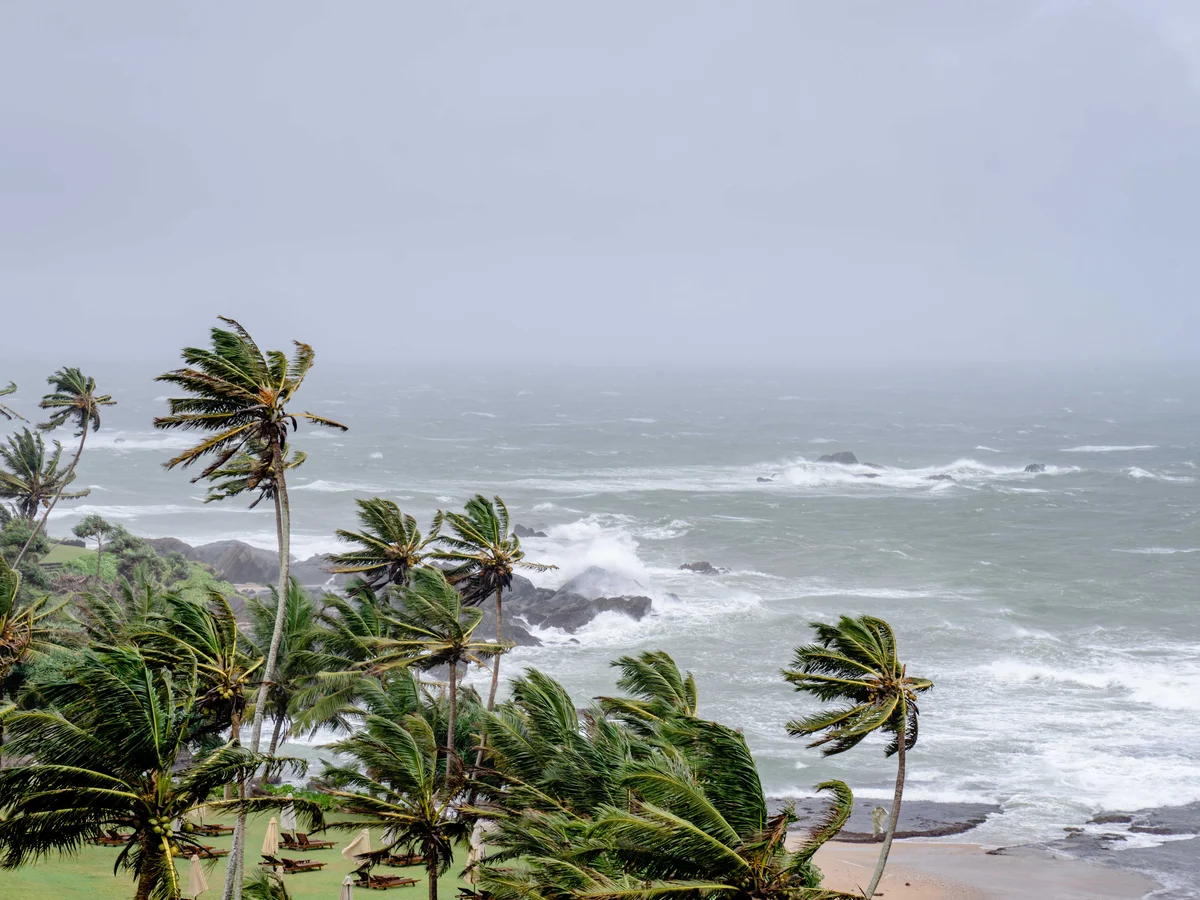
Not every property faces the same risks, but on Koh Samui, a handful of scenarios come up repeatedly:
- Tropical storms and monsoon flooding — typically the most frequent disruption, especially October through December.
- Power outages — can follow storms or occur independently, affecting water pumps, air conditioning, and security systems.
- Water supply interruptions — from municipal supply issues or damage to a property’s own pump and tank system.
- Fire — particularly relevant for properties with older electrical wiring or shared structures.
- Medical emergencies — tenants unfamiliar with the island often do not know where the nearest clinic or hospital is.
- Security incidents — break-ins or property damage, especially at vacant units between bookings.
Building an Emergency Preparedness Plan
A usable emergency plan does not need to be long, but it does need to be specific to the property. The following five components cover the essentials.
1. Risk Assessment
Walk the property and identify its specific vulnerabilities: low-lying access roads, exposed windows, backup power availability, and the condition of drainage around the building. This assessment should be revisited at least once a year, ideally before the start of the rainy season.
2. Emergency Contact List
Every property should have an up-to-date list covering local emergency services, the property owner, a maintenance contact, and the property manager’s own after-hours number. This list should be posted somewhere visible in the unit, not just stored in a management system.
3. Tenant Communication Protocol
Decide in advance how tenants will be contacted during an emergency — SMS, a messaging app group, or a phone tree — and confirm tenants understand this at move-in, not after an incident has already started. This is a natural extension of the wider communication and documentation habits covered in our guide to tenant rights in Thailand, and pairs well with a thorough tenant screening process from the very start of a lease.
4. Property-Specific Safety Measures
This includes practical items: sandbags or flood barriers for ground-floor units, backup lighting for power outages, and clear instructions for shutting off water or electricity if needed.
5. Insurance and Documentation
Keep current photographs of the property’s condition, an inventory of furnishings, and a copy of the insurance policy accessible outside the property itself (cloud storage, not just a filing cabinet on-site). This makes any post-incident claim significantly faster to process.
Common Mistakes Property Managers Make with Emergency Planning
Even experienced property managers fall into a few predictable traps when it comes to emergency preparedness. Recognizing these in advance is often enough to avoid them.
- Treating the plan as a one-time document. A plan written two years ago and never revisited rarely reflects the property’s current condition, tenants, or contacts.
- Assuming tenants will read written material unprompted. A printed emergency sheet left in a drawer is far less effective than a short verbal briefing at move-in, backed up by the same information in writing.
- Underestimating power dependency. Water pumps, security gates, and even some water heaters rely on electricity — a plan that only accounts for lighting during an outage is incomplete.
- Storing all documentation on-site. If the property itself is affected, on-site paperwork or a single local hard drive may not be accessible when it is needed most.
- Reacting only to the most recent emergency. A property manager who only prepares for last year’s flood risks being unprepared for this year’s power outage or security incident.
Staff and Vendor Roles During an Emergency
A plan is only as effective as the people responsible for carrying it out. For property managers overseeing multiple units, it helps to assign clear roles in advance rather than improvising during an actual event.
- Property manager: primary point of contact for tenants, decision-maker on evacuation or temporary relocation if needed.
- Maintenance staff: responsible for physical preparations — securing loose items, deploying flood barriers, checking backup power and water systems.
- Cleaning and housekeeping staff: often the first to notice early warning signs (leaks, water intrusion) during routine visits, and should know who to report to immediately.
- External vendors: electricians, plumbers, and security contractors should be pre-identified, not sourced for the first time during an active emergency.
Sharing this structure with everyone involved, not just keeping it in the property manager’s own notes, means the plan still functions even if the property manager is off-island or unreachable when an incident occurs.
Seasonal Preparedness: What to Check Before the Rainy Season
Rather than waiting for a storm warning, the most effective property managers build a short seasonal checklist to run through each year before the rainy season begins:
- Clear drainage channels and gutters around the property of debris.
- Test backup lighting and confirm power banks are charged.
- Confirm flood barriers or sandbags are accessible, not stored somewhere they would be needed to reach through floodwater.
- Reconfirm emergency contact numbers are current, including any staff or vendor changes from the past year.
- Walk the property for any new vulnerabilities — new furniture near ground-level windows, recent landscaping changes affecting drainage, and similar changes since the last review.
What Should Be in an Emergency Kit for a Rental Property?
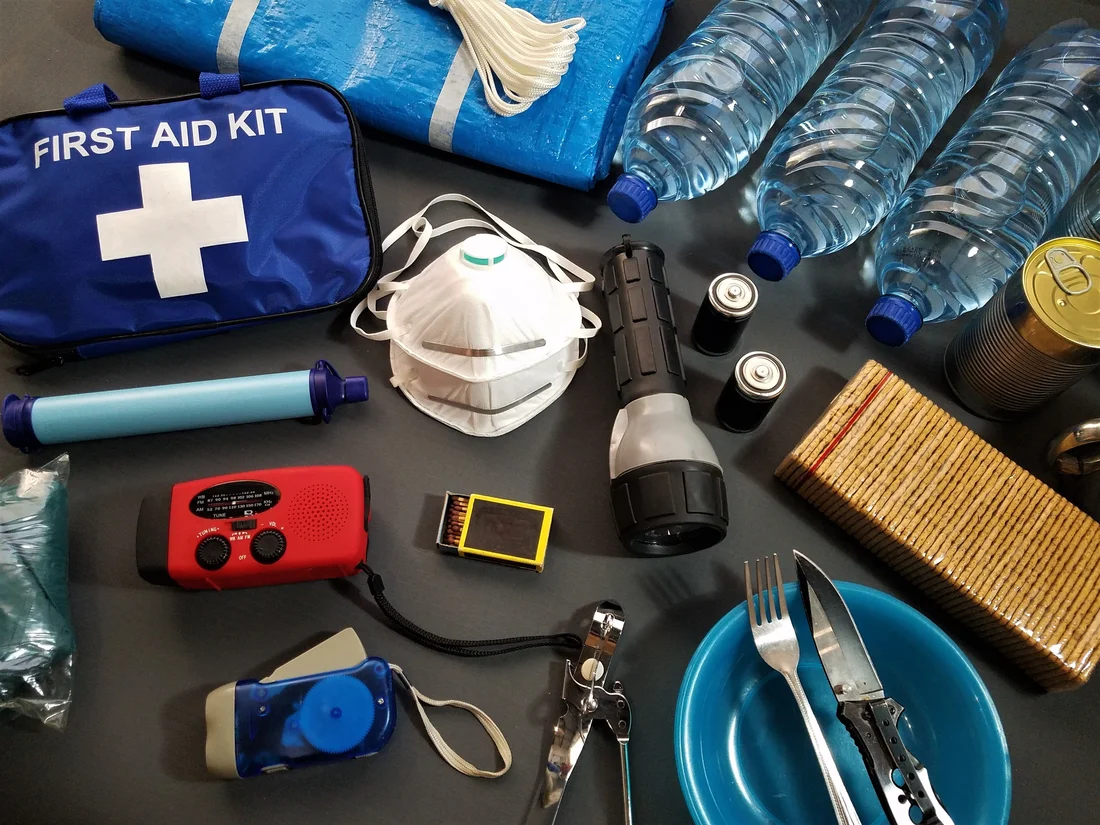
At minimum, an on-site emergency kit should include a battery-powered flashlight, a portable power bank, a basic first aid kit, bottled water, copies of important contact numbers, and a battery-powered or hand-crank radio for storm updates. For properties in flood-prone areas, waterproof storage for documents is also worth the modest cost.
Tenant Communication During an Emergency
Clear, early communication is often the difference between a manageable situation and a chaotic one. Property managers should aim to notify tenants of a developing risk (an incoming storm, a scheduled water outage) as early as practical, rather than waiting until the situation has already escalated. A short, factual message with a clear next step is more useful than a lengthy explanation after the fact.
Working with Local Authorities and Emergency Services
Property managers should keep direct contact details for the nearest hospital or clinic, the local police station, and the fire service relevant to each property’s specific area of Koh Samui, since response coverage can vary by location on the island. Building a working relationship with these services before an emergency — rather than searching for a number during one — saves valuable time when it matters most.
For properties managing multiple units or a portfolio spread across different parts of the island, it is worth keeping a separate contact sheet per area rather than a single generic list. Response times and even which hospital is closest can differ meaningfully between, for example, a property near Chaweng and one on the island’s quieter southern coast.
| Emergency Type | Immediate Action | Follow-Up |
|---|---|---|
| Tropical storm / flooding | Notify tenants, deploy flood barriers, move valuables to higher ground | Inspect for water damage, document with photos, contact insurer if needed |
| Power outage | Confirm backup lighting available, check water pump function | Log outage duration, follow up with utility provider if extended |
| Water supply interruption | Check tank reserves, notify tenants of expected duration | Arrange water delivery if prolonged, inspect pump/tank system |
| Medical emergency | Direct tenant to nearest clinic/hospital, assist with contact if needed | Follow up with tenant, review if property-related factors contributed |
Is Emergency Preparedness a Legal Requirement for Thai Rental Properties?
Requirements can vary by property type and local regulation, and specific obligations are best confirmed with a local legal advisor rather than assumed. Regardless of formal requirements, maintaining a basic emergency plan is standard practice for professional property management and reduces liability exposure regardless of what is strictly mandated.
Conclusion
Emergency preparedness is not a one-time task — it is an ongoing responsibility that should be reviewed at least annually and updated whenever a property changes hands, undergoes renovation, or gains new tenants. Property managers who invest the time upfront consistently see fewer disputes, faster recovery from disruptions, and stronger long-term relationships with both tenants and property owners.
Frequently Asked Questions
What is the biggest emergency risk for rental properties in Koh Samui?
Monsoon-related flooding and tropical storms are the most frequent disruptions, typically peaking between October and December.
How often should an emergency plan be reviewed?
At least once a year, ideally before the start of the rainy season, and again whenever a property undergoes significant changes.
Should tenants be briefed on emergency procedures before an emergency happens?
Yes. Briefing tenants at move-in, rather than during an active emergency, significantly reduces confusion and response time.
What should be included in a property’s emergency contact list?
Local emergency services, the property owner, a maintenance contact, and the property manager’s after-hours number, posted visibly in the unit.
Does home insurance cover storm or flood damage in Thailand?
Coverage varies significantly by policy and provider, so it should be confirmed directly with the insurer rather than assumed.