Koh Samui has evolved from a tourism-driven island into a hybrid lifestyle + investment market, combining resort demand with long-stay expatriate residency. Unlike Bangkok’s yield-focused condo market or Phuket’s large-scale resort developments, Koh Samui remains supply-constrained due to zoning limits, environmental controls, and its island geography, as highlighted in annual reports from Knight Frank Thailand and CBRE Thailand.
This structural supply limitation plays a critical role in long-term price stability and makes Samui particularly attractive for villa-based investment strategies.
Market Trends and Price Segmentation
Current Market Dynamics
Primary demand: holiday rentals via platforms like Airbnb and Booking.com, digital nomads, long-term retirees
Limited new supply due to:
height restrictions
protected land zones under Thailand’s National Park Act
infrastructure capacity
Post-pandemic demand has shifted toward:
private pool villas
hillside sea-view homes
gated communities with management from firms like Samui Island Villas
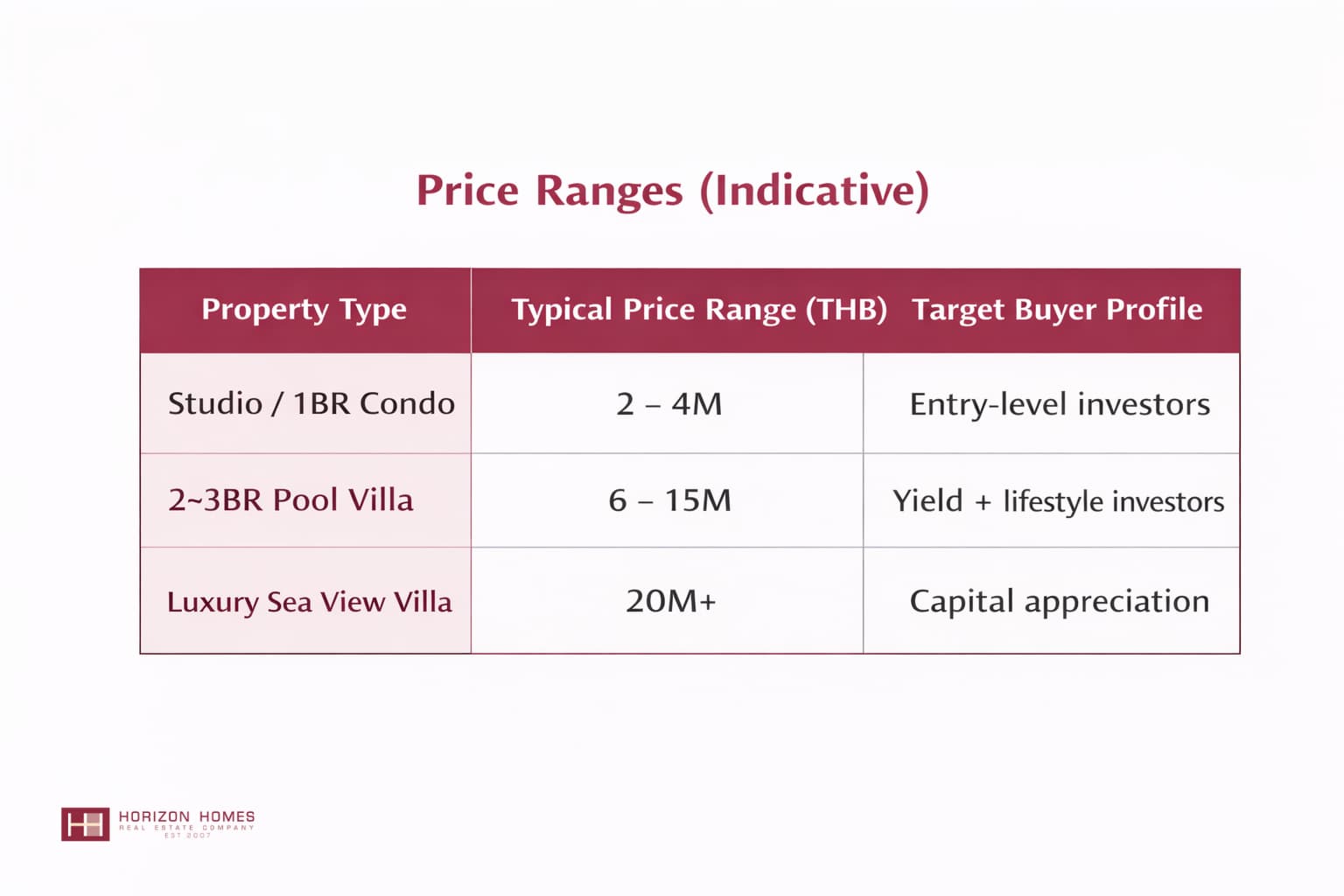
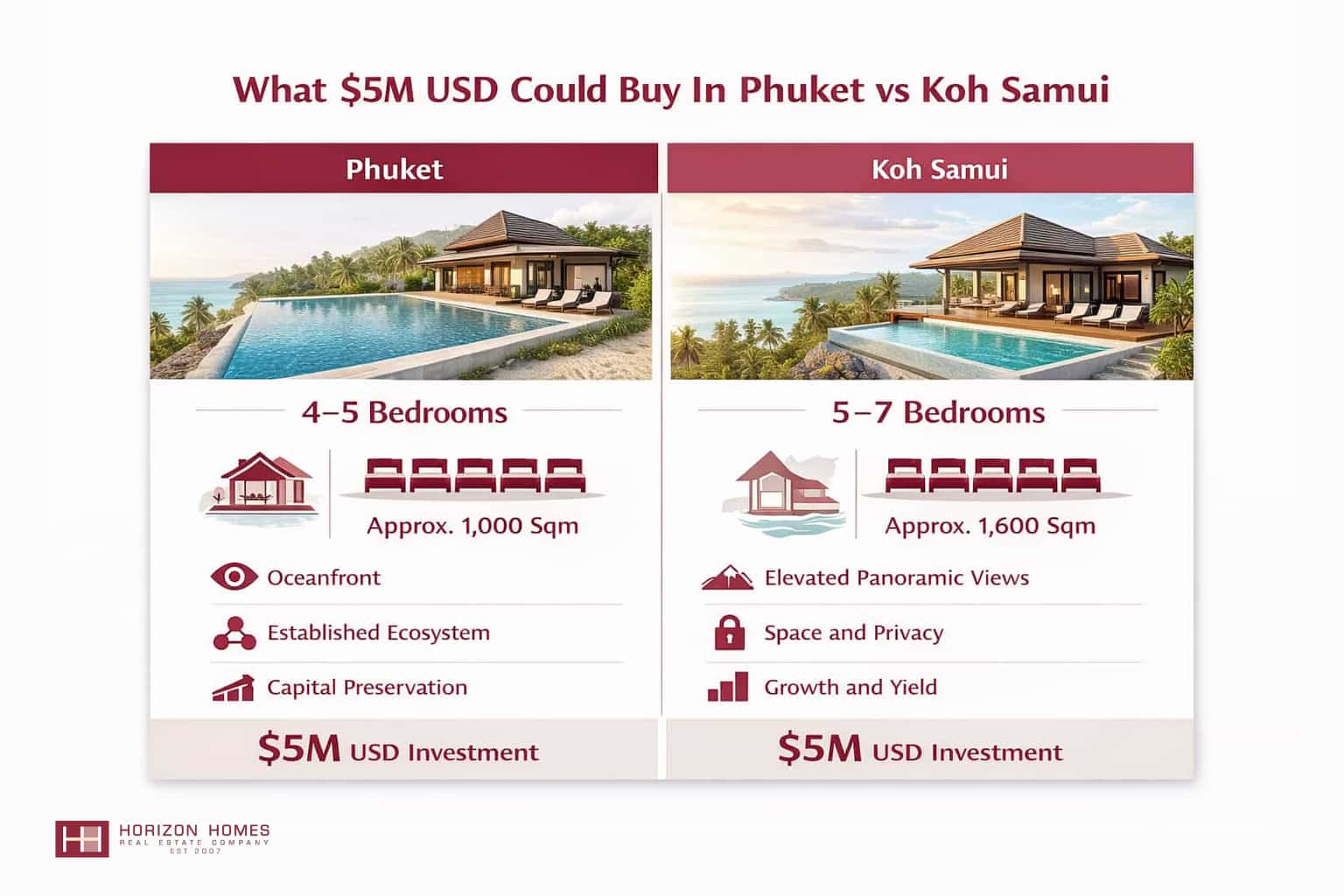
📊 Bar chart comparing Samui vs Phuket price per sqm, sourced from forbesandpartners data.
Rental Yield & ROI Potential
Short-Term Rental Yields
Peak season occupancy: 70–90% per Colliers International Thailand benchmarks
Average nightly rates:
Standard pool villa: THB 4,000–8,000
Luxury villa: THB 12,000+
Estimated Gross Yield:
6–10% annually, depending on:
location (Chaweng Noi, Bophut, Lamai outperform)
villa privacy
professional management via services like VRBO or Koh Samui Properties
Long-Term Rental Market
Typical lease: 6–12 months
Monthly rents:
2BR villa: THB 35,000–60,000
Sea-view villa: THB 70,000+
Investor Insight:
Unlike Bangkok, Samui performs better with hybrid strategy (short-term + owner use), not pure long-term tenancy, aligning with Tourism Authority of Thailand (TAT) trends.
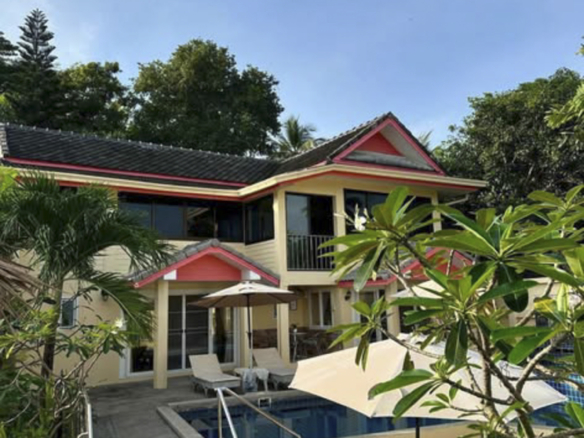
5 bed 5 bath Commercial Property for sale in Koh Samui in Chaweng Noi – HS0907
Chaweng Noi, North East- Beds: 5
- Baths 5
 yes
yes yes
yes- Commercial, Villa

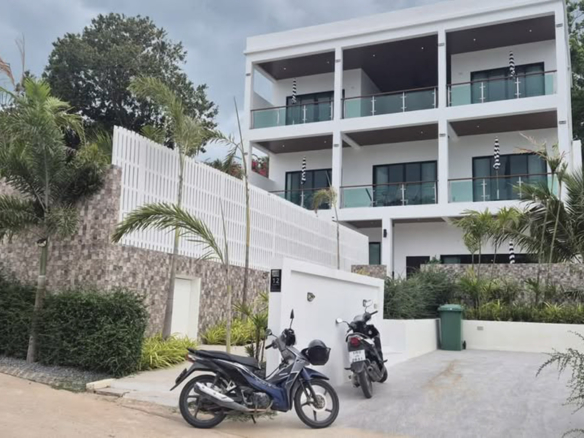
5 bed 4.5 bath Villa Property for sale in Koh Samui in Choeng Mon – HS0905
Choeng Mon, North East- Beds: 5
- Baths 4.5
- yes
- Villa
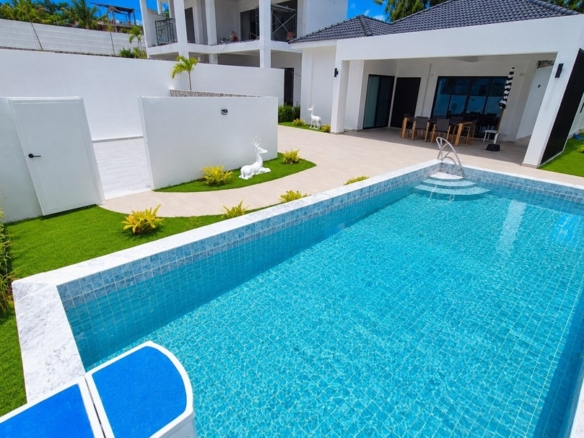
3 bed 2 bath Villa Property for sale in Koh Samui in Choeng Mon – HS0904
Choeng Mon, North East DetailsLegal Framework for Investors
Foreign investors cannot own land under the Land Code Act B.E. 2497, but common structures include:
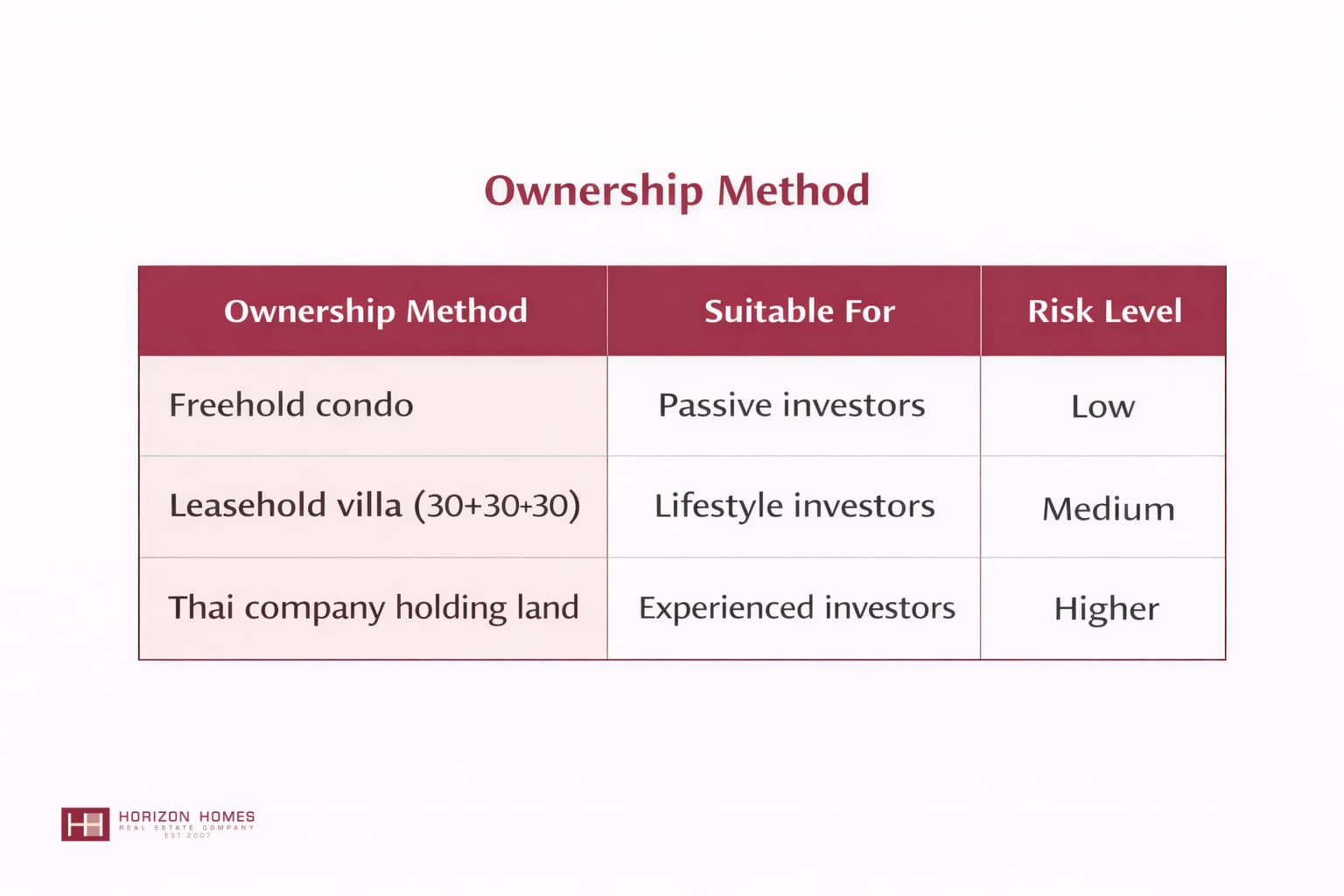
Key Legal Risks
nominee shareholders (illegal per Foreign Business Act B.E. 2542)
unregistered lease extensions
land in protected zones
Expert Recommendation:
Use independent legal due diligence on:
Chanote title
zoning (green/yellow zones)
building permit compliance via Department of Lands
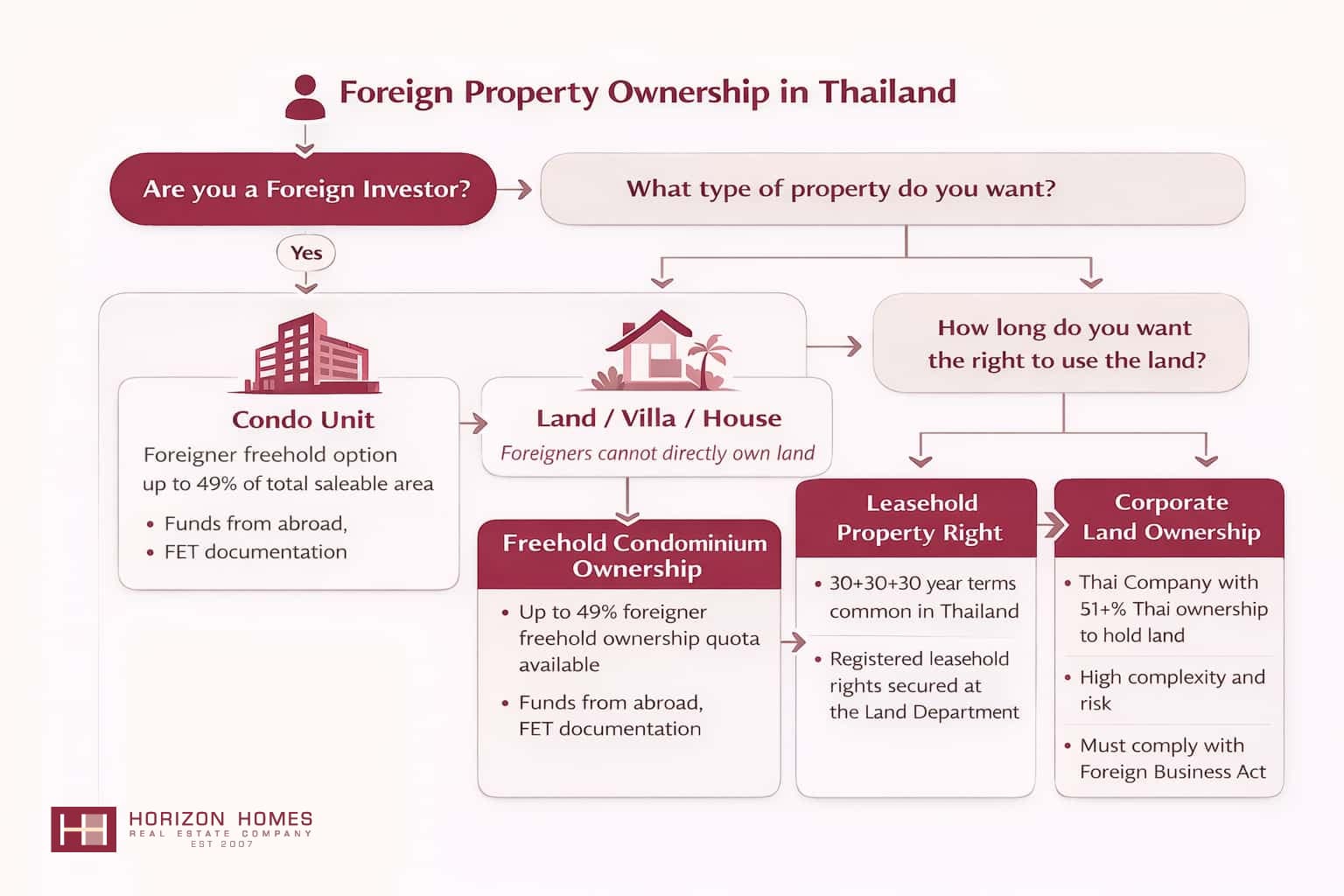
🗂 Flowchart of foreign ownership options, referencing JLL Thailand guidelines.
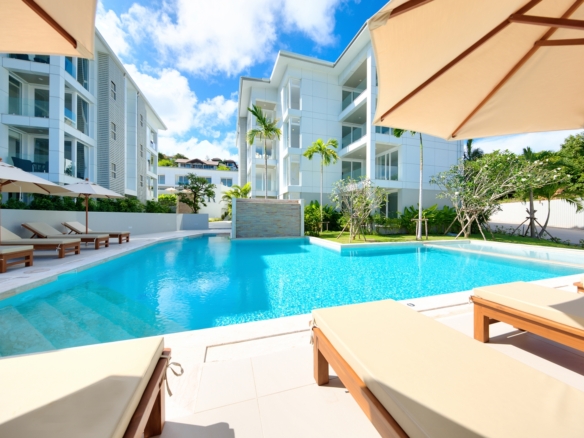
2 bed 2 bath Apartments / Condos Property for sale in Koh Samui in Choeng Mon – HS0906
Choeng Mon, North East- Beds: 2
- Baths 2
- yes
- Apartments / Condos
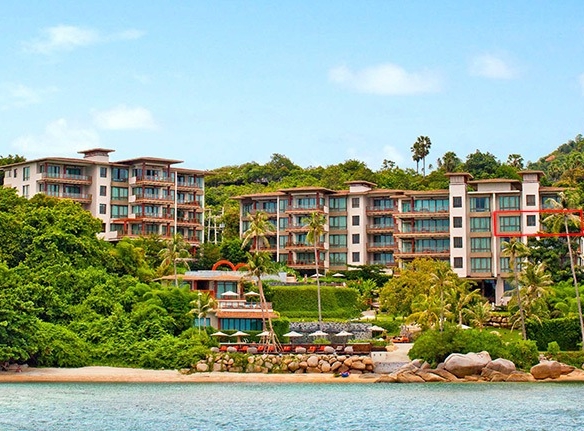
3 bed 3.5 bath Apartments / Condos Property for sale in Koh Samui in Laem Set – HS0891
Laem Set, South East- Beds: 3
- Baths 3.5
- yes
- yes
- Apartments / Condos
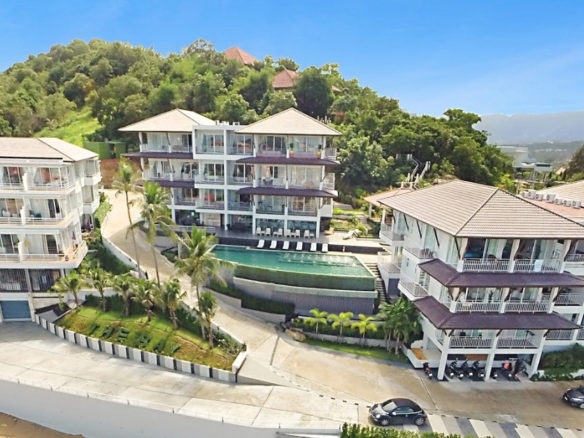
2 bed 2 bath Apartments / Condos Property for sale in Koh Samui in North East – HS0890
Plai Laem, North East- Beds: 2
- Baths 2
- yes
- yes
- Apartments / Condos
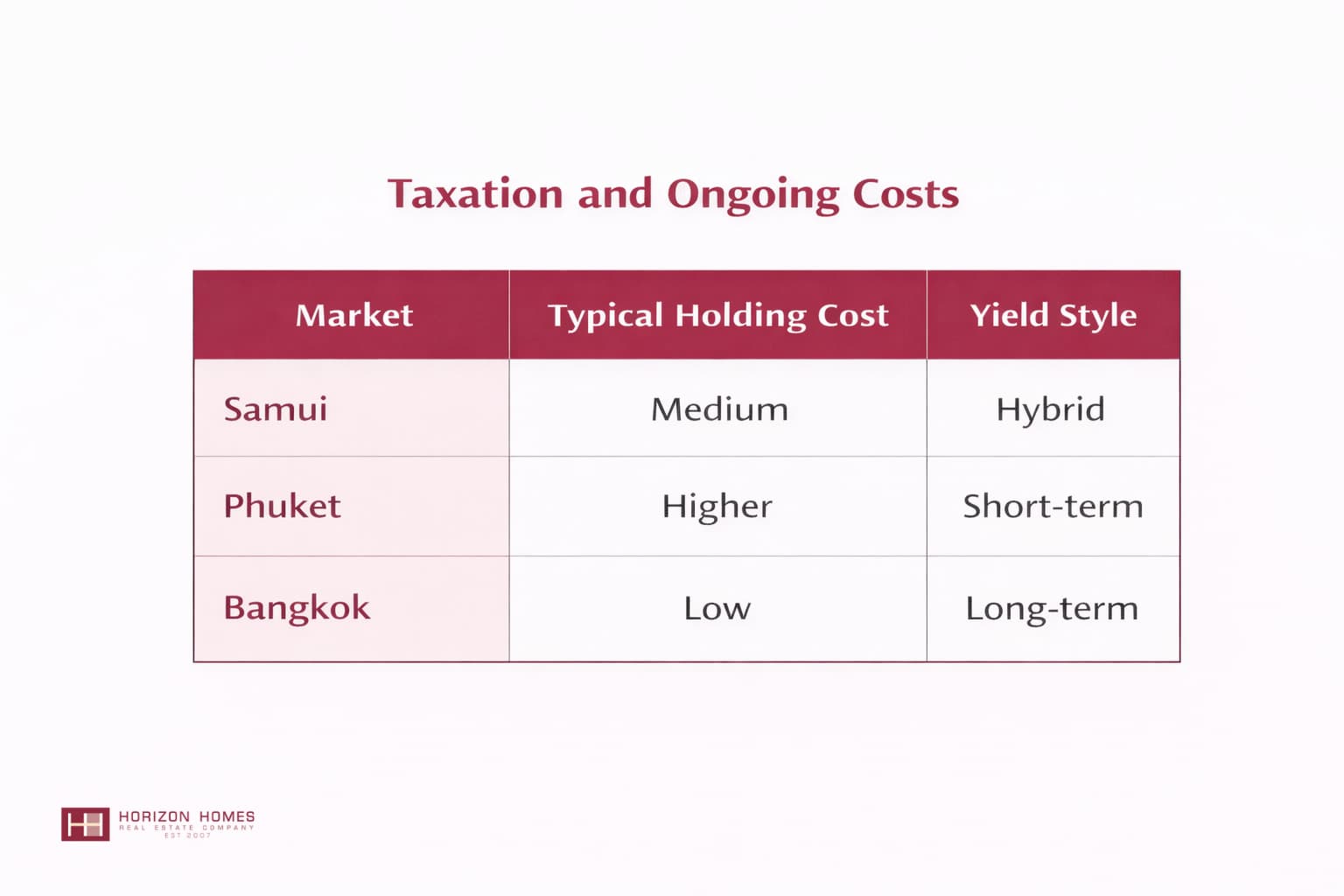
Taxation and Ongoing Costs
Transaction Costs
Transfer fees: ~2%
Withholding tax (seller)
Specific Business Tax (if applicable)
Annual Holding Costs
Maintenance: 2–5% of property value
Common area fees
Rental management: 20–30% of gross rental income
Infrastructure and Economic Drivers
Key value drivers:
- Samui International Airport (USM) expansion
Undersea cable upgrades
New hospitals like Bangkok Hospital Samui and international schools such as Samui International School
Luxury hospitality investment (Four Seasons Resort Koh Samui, Banyan Tree Samui, Six Senses Samui)
These improve:
long-stay appeal
resale liquidity
rental pricing power, as noted in Savills Thailand market outlook
Investment Risks & Mitigation
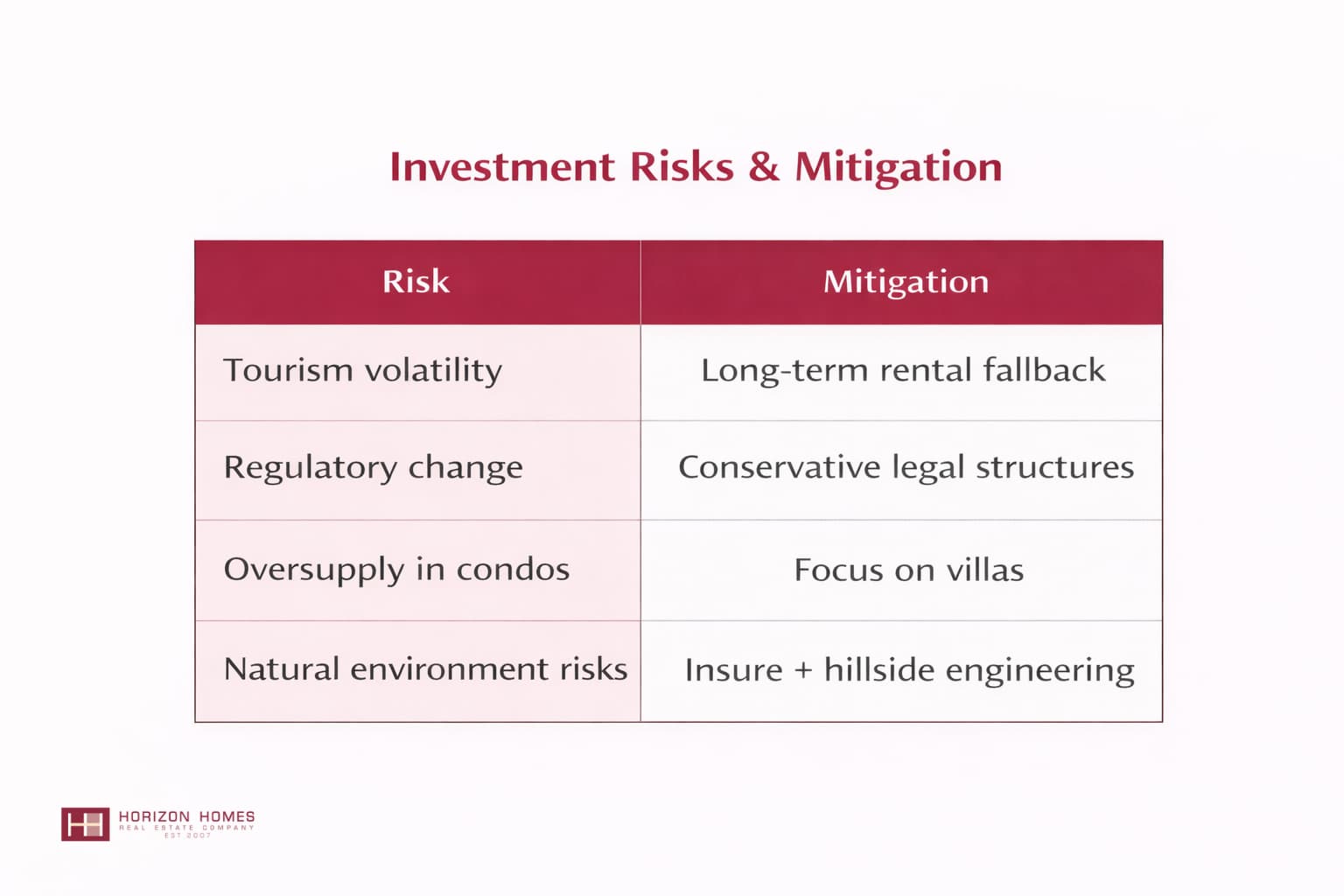
Unique Insight:
Samui’s risk profile is environmental and regulatory, not economic — making legal clarity more important than price timing.
Case Study (Example Format)
Investor Profile:
European buyer, THB 9.8M pool villa in Bophut
Annual gross rental: THB 780,000
Expenses: THB 210,000
Net yield: ~5.8%
4-year resale uplift: +22%
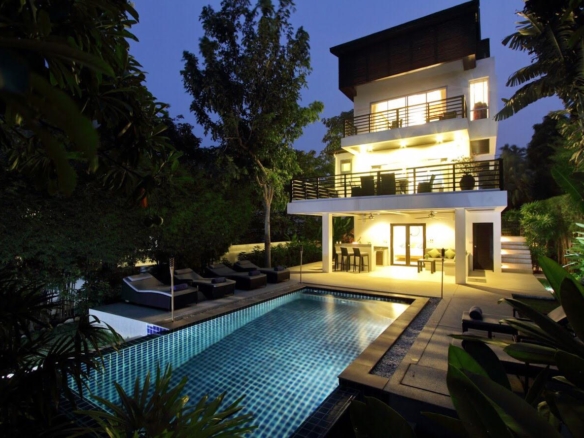
3 bed 3 bath Villa For Rent in Choeng Mon – HV0083
Choeng Mon, North East- Beds: 3
- Baths 3
- yes
- Villa

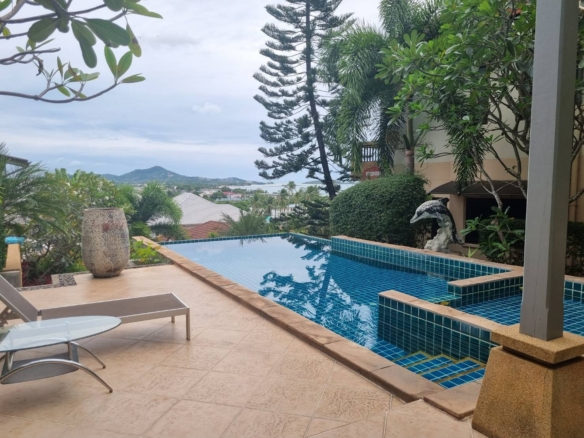
2 bed 3 bath Villa For Rent in Chaweng Noi – HR0057
Chaweng Noi, North East- Beds: 2
- Baths 3
- yes
- Villa
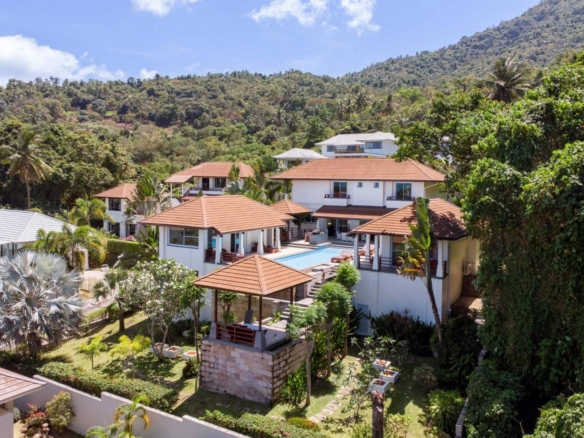
4 bed 4 bath Villa For Rent in Mae Nam – HV0119
Mae Nam, North East- Beds: 4
- Baths 4
- yes
- yes
- Villa
Strategic Positioning vs Other Thai Markets
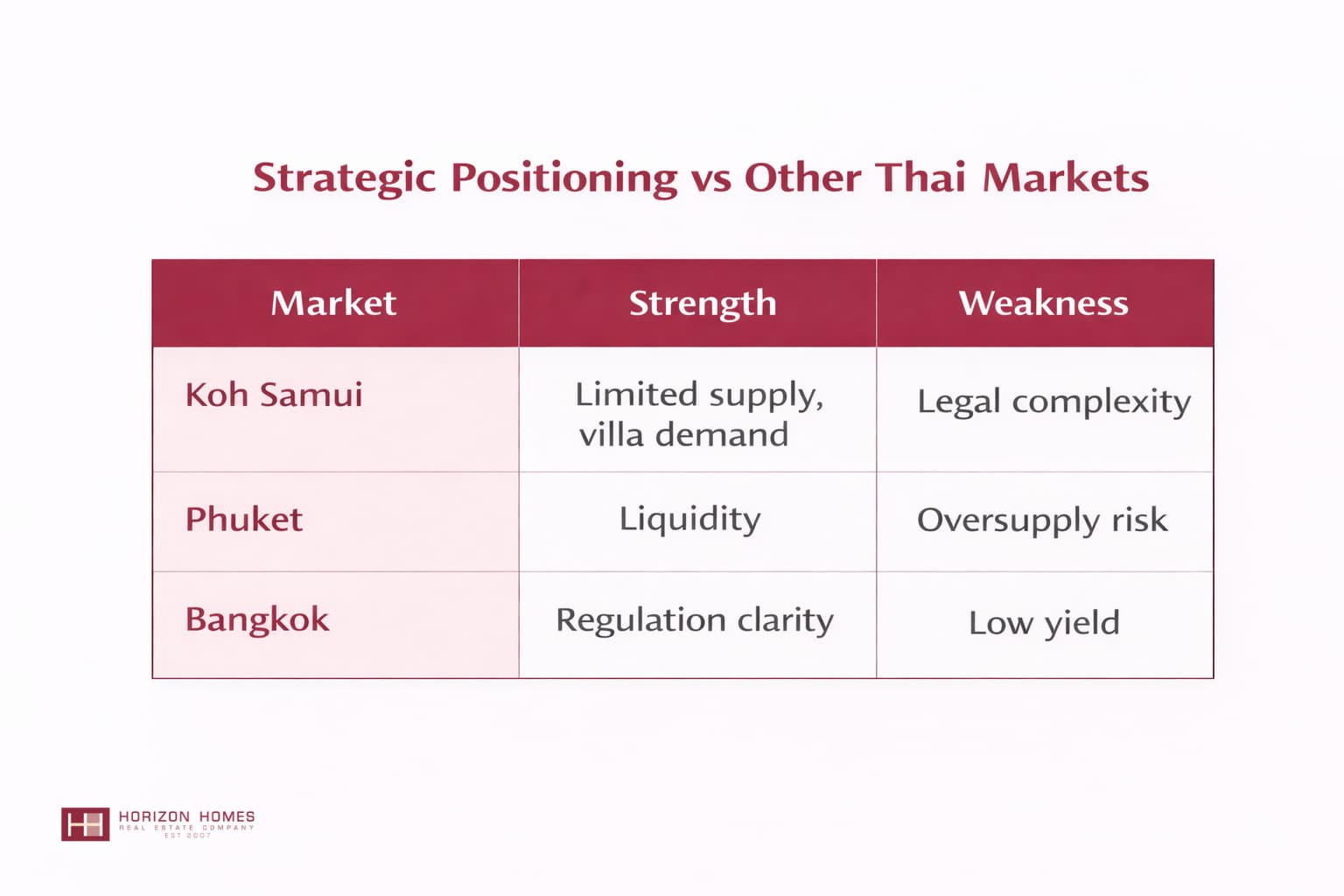
Conclusion:
Samui suits investors seeking asset-backed income, not speculative flipping.
Final Investor Takeaways
✔ Best for villa investments
✔ Suitable for hybrid rental strategy
✔ Requires legal precision
✔ Performs better long-term than short-term speculation